
When I refer to an herb, I try to always add the Latin binomial (genus and species) in parentheses behind the name. Why is this important, other than it makes me feel a bit like Harry Potter? Several reasons. The major one is that it helps to identify the plant I’m talking about. This
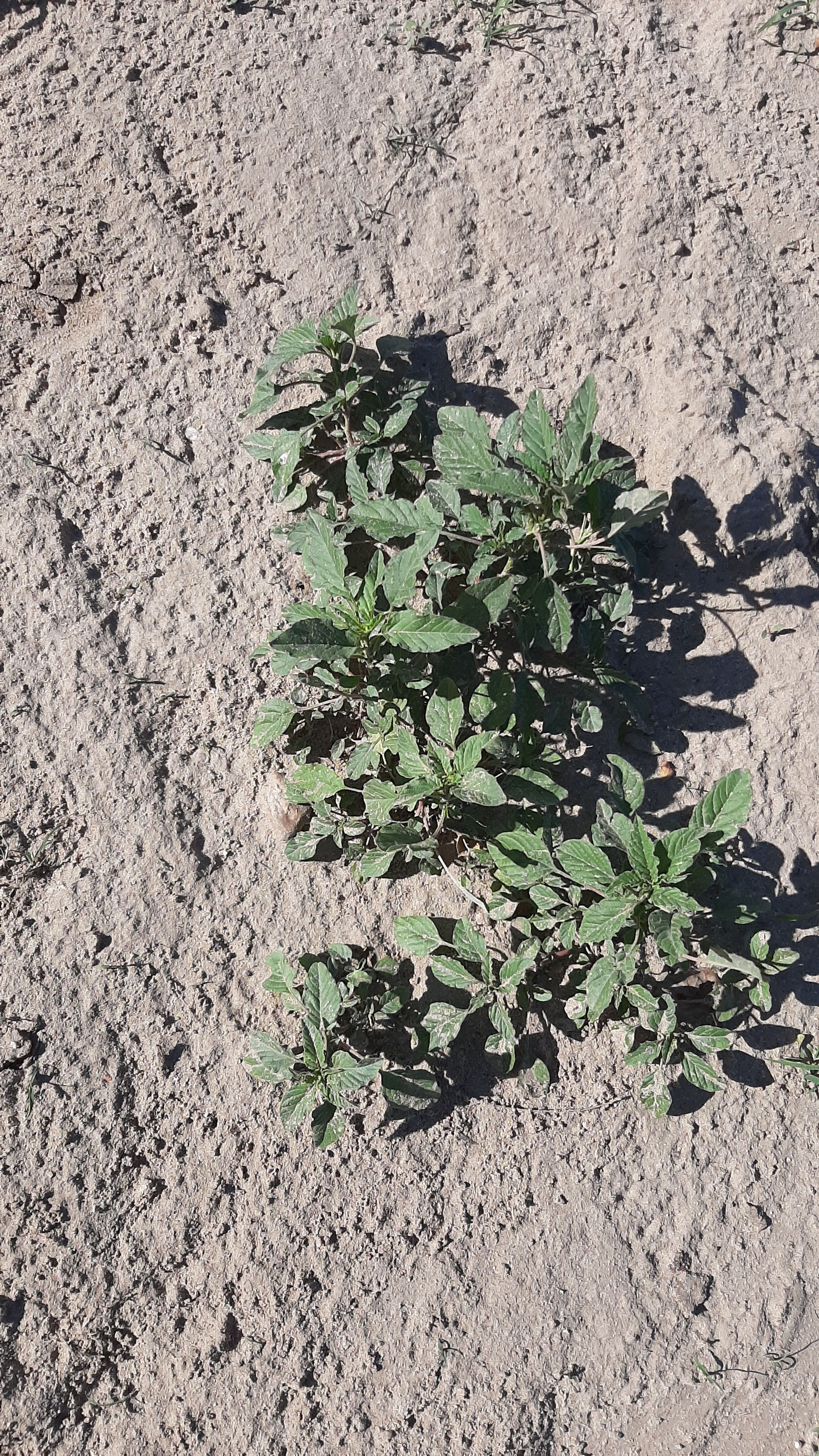
is amaranth. And I am totally blowing any authority I think I might have, because I don’t know the genus. The species is Amaranthus and it is a weed here in NE Colorado. It can also be used as a grain crop (look at Vitamin Cottage next time you are there) or a lovely flowering plant (Love-lies-bleeding is Amaranthus caudatus). Another common name for it is pigweed.
This is also called pigweed.
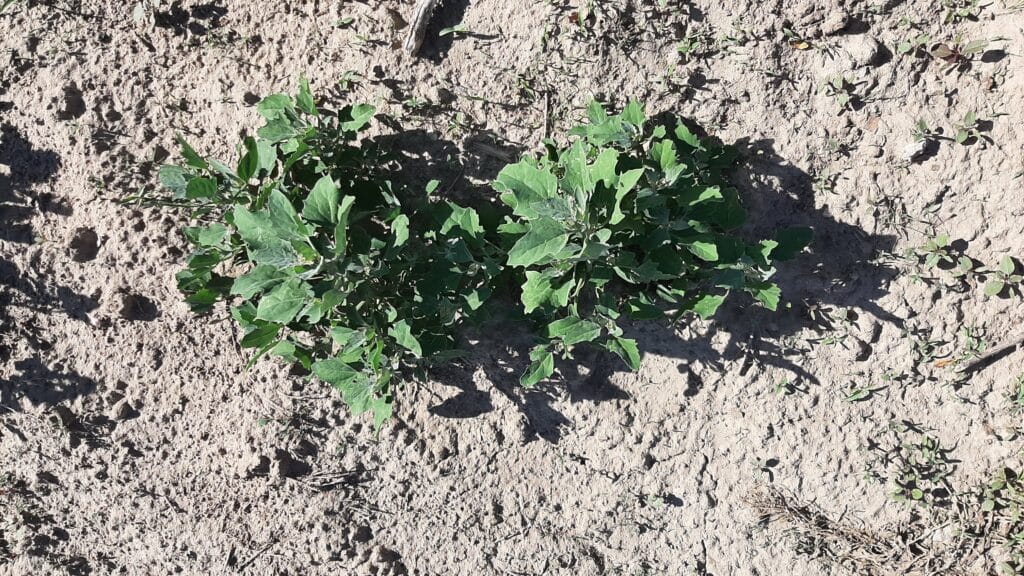
It is also called goosefoot or lambs quarter. The Latin binomial is Chenopodium album or Chenopodium murale.
So if someone refers to ‘pigweed’, which are they referring to?
Both of these plants are edible, and both actually are in the same family, so are used in herbal medicine in the same ways. These are usually used for digestive complaints or skin issues but are used more frequently for food as an early green. Chenopodium also forms seeds that can be used as a grain.
Learning herb names and uses is a challenge, but knowing what genus or family an herb is in helps to put them in a category for usage. For example, I know that some grasses have heads that are edible (only the kernels). Corn is a grass, wheat is a grass, rye is a grass, etc.
Knowing that, if I learn that plants in the Rosaceae family are moistening, generally neutral in temperature, good for the skin and heart, then I know that rose, hawthorn, peach, and cherry are moistening, generally neutral in temperature, and good for the skin and heart because they are all in that family. From there, you can differentiate which ‘rose’ is best for your purpose.
This little bit of knowledge can help you out when you need to substitute an herb you are out of. It at least gives you a place to start looking if you cannot find exactly what you want.
Should you ever have the opportunity to travel and study plants or herbal medicine, Latin binomials can also help standardize your vocabulary. Knowing the Latin name will also help if you are researching herbs in professional publications.
And just so you know, feeding too much pigweed (of the Amaranthus type) can cause renal failure in piglets. The other pigweed (Chenopodium) will not. It cost me about 4 piglets and several long conversations with the lovely folks at CSU to figure that one out.