
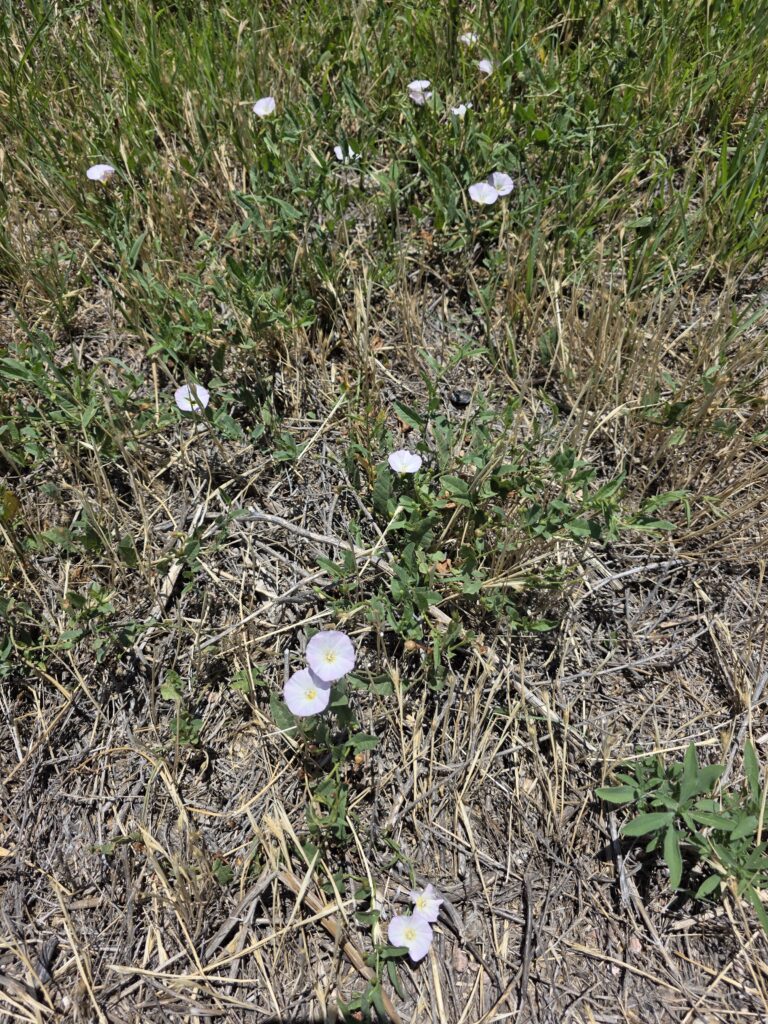
It’s everywhere this time of year – the twisting, wrapping vines with white or pinkish flowers. Convolvus is a family member of morning glory, so its physical characteristics are a lot the same. The leaves and flowers of bindweed are a bit smaller, but they make up for it in its, uh…. exuberance for spreading.
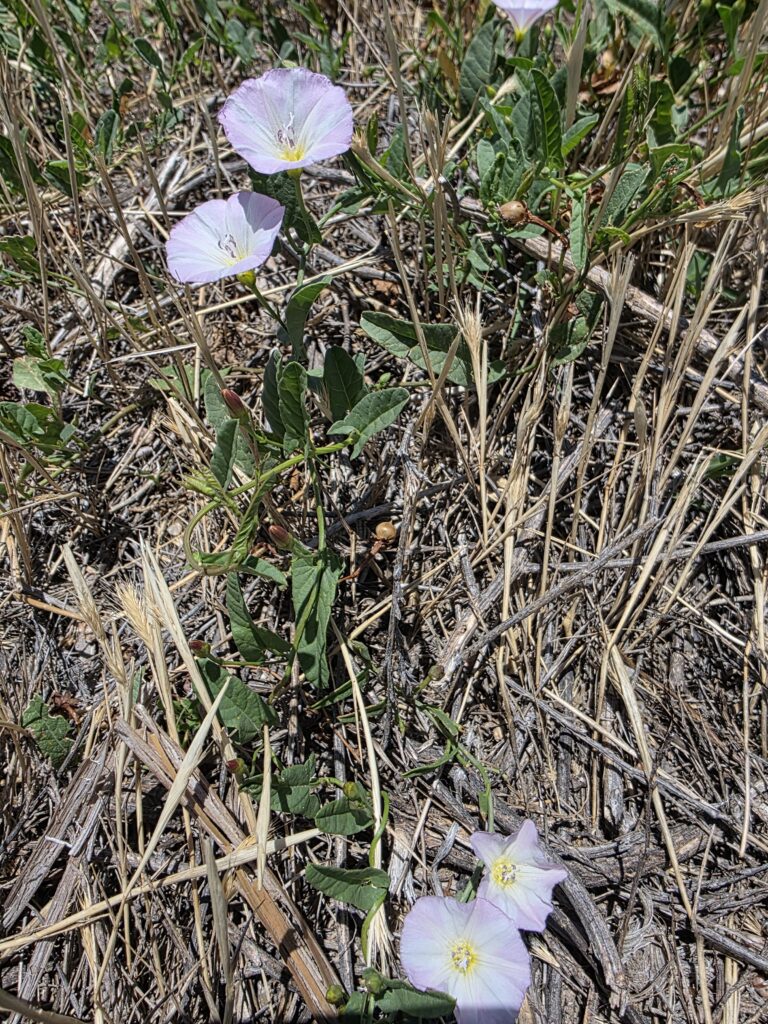
Bindweed is one of those plants that if you are cleaning it up, you’d better get every little bit. A new vine can spring up from the smallest piece that gets missed. It is frequently found in contaminated areas and has been used in phytoremediation to pull cadmium and copper from the soil. It also works as a nutritional mediator, adding nitrogen and carbon back into the soil.
As far as humans go, we can use the whole plant. Western herbalism uses it (granted not commonly) for a laxative, styptic (to stop bleeding), wound healing, and diarrhea (yes, I know – that’s kind of an oxymoron!). Ayurvedic herbalism uses it as a brain tonic and stimulant, tranquilizer, and excessive bleeding. Bindweed should not be used by people on tranquilizers or anti-psychotics. Remember how I said it was related to morning glory?
Bindweed is also related to sweet potatoes, and as such can work as an anti-diabetic med similar to Precose and Glyset.
The flowers of bindweed have been shown to have antimicrobial and antifungal activity against a lot of nasty bacteria/fungi like Staphylococcus aureus, E. coli, Salmonella, pseudomonas aeruginosa, candida albicans and Mycobacteria.
Not too bad for a ‘weed’ that everyone wants to get rid of!